There are some running problems people are quite happy to discuss over coffee after a Sunday long run.
Tight calves. Sore knees. A troublesome hamstring.
Then there is nipple chafing.
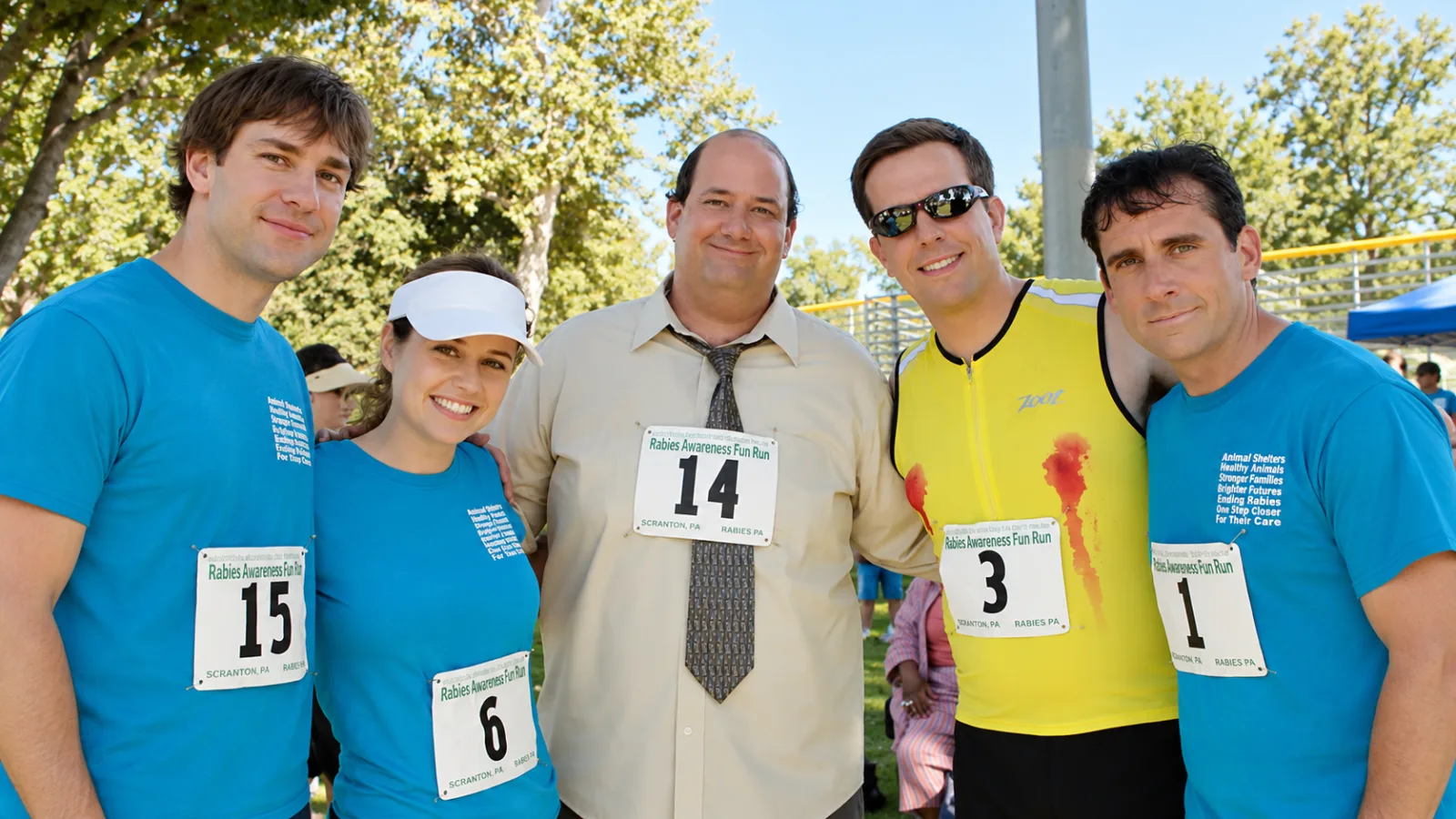
It might not be the most glamorous subject in running, but anyone who has finished a long run with two increasingly suspicious red patches appearing on the front of their top will know it is no laughing matter once it starts.
Commonly known as runner’s nipple or jogger’s nipple, it happens when clothing repeatedly rubs against the nipple during exercise. Over thousands of strides, that seemingly harmless bit of movement can irritate the skin, eventually leaving it sore, cracked and, in more severe cases, bleeding.
The good news is that it is also one of the more preventable running problems.
Why Does Nipple Chafing Happen?
The basic culprit is friction.
Every time you move, your running top can move slightly across your chest. That does not matter much for a few minutes, but extend it across an hour, two hours or the guts of a marathon and all those tiny movements start adding up.
Sweat can make matters worse. Wet clothing can stick to the body and rub against the skin, while heavier materials can become increasingly uncomfortable as they absorb moisture. Cooler conditions can also make nipples more prominent and susceptible to rubbing.
That helps explain why somebody might run 5K in a particular top without the slightest problem, only to regret wearing the exact same thing during a long run.
Five kilometres might pass without incident. At kilometre 30, that innocent looking running top may feel as though it has spent the afternoon trying to sand your chest off.
Petroleum Jelly Is Your Friend
Sometimes the simplest answer is one of the best.
A small amount of petroleum jelly applied to the nipples before running can reduce the friction between skin and clothing. The American Academy of Dermatology recommends petroleum jelly for preventing chafing, while Cleveland Clinic specifically recommends it as an option for preventing runner’s nipple.
There are also dedicated anti chafing balms made for runners that work on the same general principle.
For shorter runs, you may never need any of them. If you already know that chafing becomes an issue after 15 or 20 kilometres, applying something before you head out is far preferable to remembering the Vaseline sitting at home when your nipples have begun filing an official complaint.
For very long runs, particularly in wet conditions, a lubricant may eventually rub away, so runners who regularly struggle with the problem may prefer a physical barrier.
Yes, Plasters Work
There is absolutely nothing sophisticated about sticking a plaster over each nipple before a marathon.
There does not need to be.
A plaster creates a barrier between the nipple and your clothing, preventing the fabric from repeatedly rubbing directly against the skin. Dedicated nipple guards and other skin safe adhesive products are also available.
The important phrase there is skin safe.
This is not the moment to improvise with whatever roll of industrial tape happens to be sitting beside the toolbox. Products designed for skin should be considerably kinder when the time comes to remove them.
You may feel slightly ridiculous standing in the bathroom applying two plasters to your chest before a Sunday morning run.
You will feel considerably less ridiculous than the runner posing for finish line photographs with two streaks of blood running down a white singlet.
Your Running Top Matters
Clothing can make a major difference.
Heavy and rough fabrics create more opportunity for irritation. Cotton is particularly troublesome once soaked with sweat because it holds moisture and becomes heavier.
Lightweight, moisture wicking running clothing is generally a better choice. A top that fits comfortably and does not move excessively across the chest can also reduce rubbing.
Look at the inside of the top too.
Seams, printed logos, labels and rough patches of fabric can all seem completely harmless when you first put something on. After 90 minutes of repetitive movement, you may develop a rather different opinion.
This is another argument for not debuting brand new running gear on marathon morning.
If your first experience of a singlet is at the start line, you are effectively conducting a 42.2 kilometre product test with your own skin.
What About Sports Bras?
A comfortable, properly fitting sports bra can provide an extra barrier against nipple friction and is one reason runner’s nipple is reported less frequently among women than men.
Fit still matters, though. Any garment that rubs, shifts or becomes uncomfortable once wet can contribute to chafing elsewhere around the chest.
As with the rest of your running kit, the best time to find out that something rubs is during training, not halfway through a race.
Rain Can Change Everything
A top that has behaved impeccably throughout months of training can become a completely different beast in persistent rain.
Once clothing is saturated, it can cling to the skin and create more friction. That means runners who rarely experience nipple chafing in ordinary conditions can suddenly encounter it during a particularly wet race or long run.
If heavy rain is forecast and you know you are prone to chafing, using a lubricant or protective covering before you start is a small precaution that could save a fairly unpleasant final few miles.
What If The Damage Is Already Done?
If you have already finished your run and things are feeling rather tender, give the skin a chance to recover.
Gently clean the affected area and pat it dry rather than rubbing it with a towel. Loose clothing can help avoid further irritation, and breathable gauze can protect particularly tender skin from further rubbing. Petroleum jelly can also help protect minor damaged skin while it heals.
It may also be sensible to give running a short break if every outing is reopening irritated skin.
Most straightforward cases should begin to settle once the repeated friction stops. If the area appears infected, produces pus, becomes increasingly painful, continues bleeding, or simply is not improving, speak to a healthcare professional.
Prevention Beats The Shower Afterwards
Nipple chafing is a relatively minor running problem, right up until you have it.
Then you get home.
Then you get into the shower.
Then the water hits your chest.
At that precise moment, a couple of plasters before your run suddenly seem like one of the greatest inventions in human history.
A little petroleum jelly, a pair of plasters, suitable running clothing and some common sense about testing kit beforehand can prevent most problems.
Your nipples may never thank you for it.
But at least they will not spend the final six miles of your next long run screaming at you.
This article provides general information for runners and is not a substitute for individual medical advice. Seek advice from a qualified healthcare professional if you are concerned about an injury or symptoms that persist.