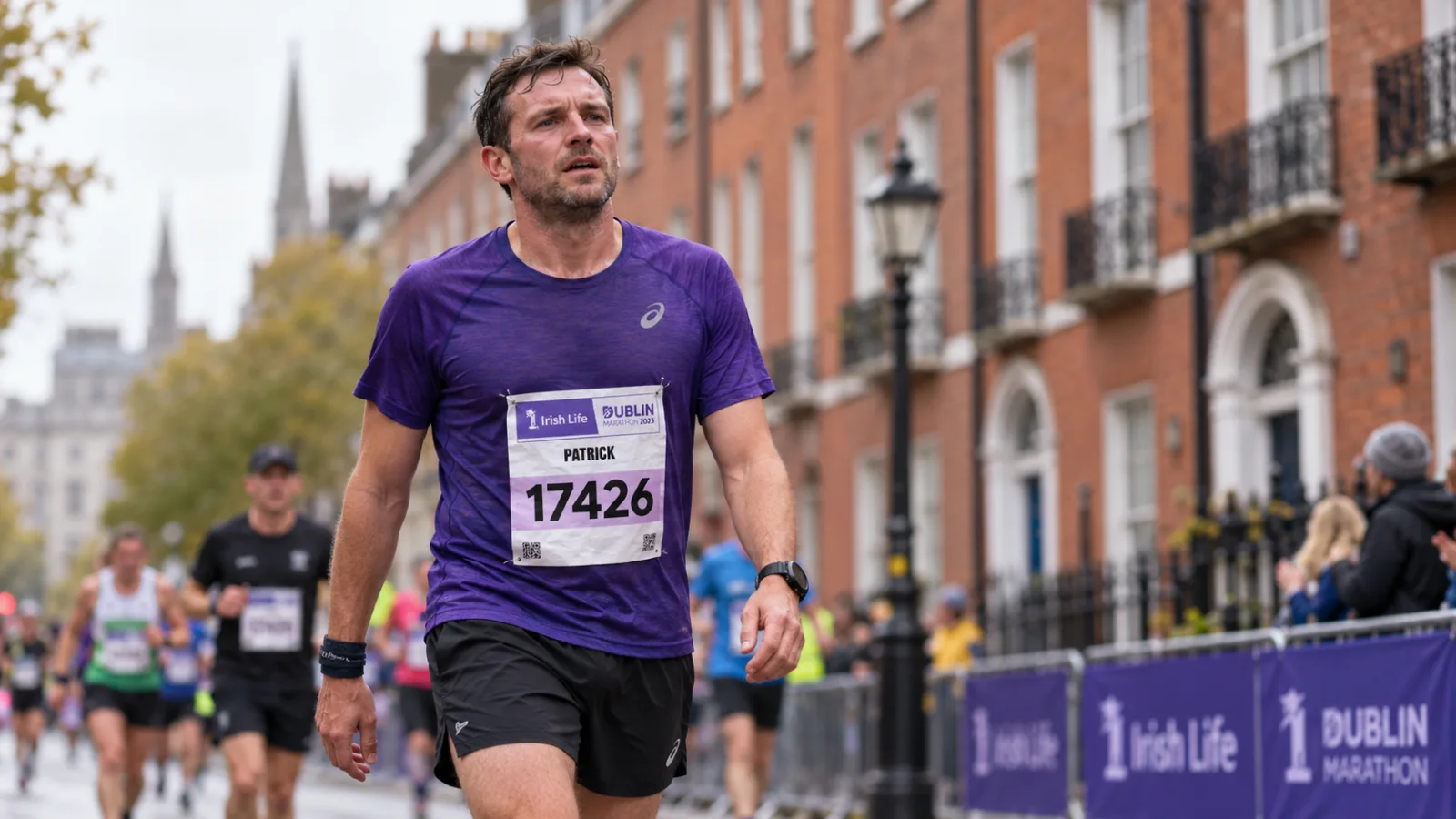
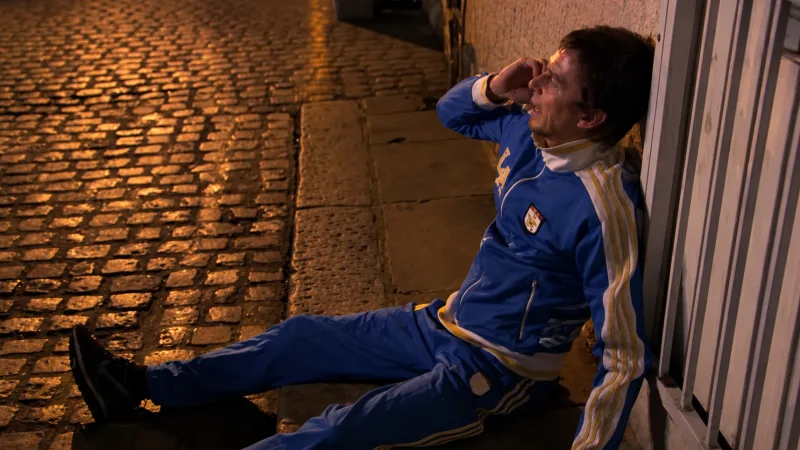
There comes a moment in almost every marathon when your legs begin questioning the decisions that brought you here.
You've trained for months, bought expensive running shoes, consumed enough energy gels to qualify as a laboratory experiment, and convinced your family that running 26.2 miles around Dublin is a perfectly normal way to spend a Sunday.
Then, somewhere around mile 20, disaster strikes.
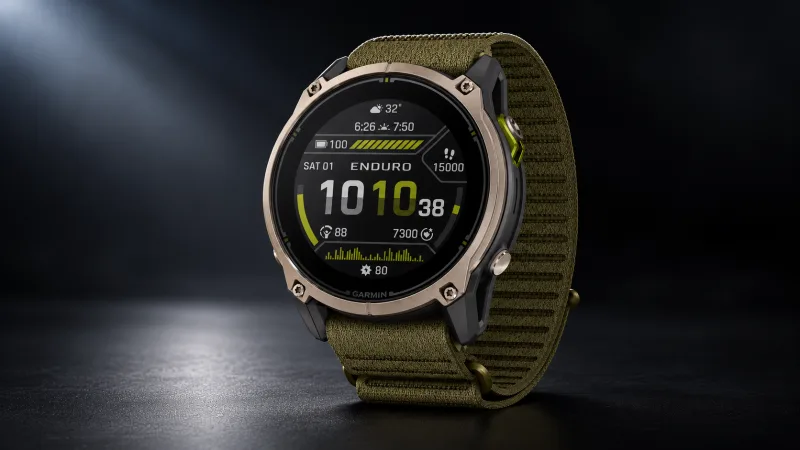
Your legs stop cooperating. Your breathing becomes increasingly theatrical. Your Garmin informs you that your pace has fallen off a cliff.
And suddenly, an absolutely terrifying thought enters your head.
What if I have to walk?
Well, congratulations. You've remembered the other way humans get around.
First Things First: Are You Actually Allowed to Walk?
Yes. Absolutely.
The organisers of the 2026 Irish Life Dublin Marathon explicitly welcome runners, joggers and walkers.
There is no rule requiring you to run every metre. No official waiting in Clonskeagh with a clipboard to record your failure. Nobody is going to confiscate your medal because you walked up a hill.
You could run 25 miles and walk the final 1.2 miles. You could alternate between running and walking throughout the entire race.
The important thing is completing the official course safely and within the event's seven hour time limit.
It's a marathon, not an audition for the Irish Olympic team.
Your Garmin Will Be Absolutely Disgusted With You
Of course, the greatest obstacle to walking during a marathon isn't physical.
It's psychological.
Specifically, it's that expensive little device strapped to your wrist.
For months, your Garmin has been telling you how brilliant you are. You've improved your fitness, increased your training load and accumulated enough performance statistics to bore your friends into changing their phone numbers.
Now you're walking along the road at four miles per hour, and the watch is having an existential crisis.
Your projected finishing time has gone from 4:15 to 5:30.
Your average pace looks like something recorded during a leisurely trip around IKEA.
And somewhere deep inside the watch's software, an algorithm is probably preparing to recommend that you take up golf.
Here's a revolutionary suggestion.
Stop looking at the bloody thing.
Walking Doesn't Mean You've Failed
Somewhere along the line, runners developed this peculiar notion that walking during a marathon is something to be ashamed of.
Apparently, after covering 20 miles on foot, slowing down for two minutes constitutes some sort of moral failure.
It's an extraordinary attitude when you think about it.
You've already travelled further under your own steam than most people will manage in an entire weekend. Your legs are exhausted, your feet are complaining, and your stomach has been surviving on processed carbohydrates for the past four hours.
But because you've stopped running for 90 seconds, you're suddenly convinced the whole endeavour has been a disgrace.
Give over.
Plenty of experienced marathon runners use planned walking breaks, particularly through water stations. Others slow to a walk on difficult climbs or when fatigue begins to affect their running.
Sometimes a short break is precisely what allows someone to start running again.
The marathon doesn't become shorter because you ran every step. And it doesn't become longer because you walked a few.
It's still 26.2 miles.
Unfortunately.
How to Walk Without Completely Ruining Your Race
Now, there's walking sensibly, and there's walking because you've charged through the first half like you're being pursued by Revenue.
The distinction matters.
If you're struggling, reduce your pace gradually and move towards the side of the course before walking. Avoid stopping abruptly in front of other runners.
Take a minute or two to settle your breathing. If you've been following a fuelling plan, continue with it rather than deciding that an emergency handful of unfamiliar sweets is going to solve everything.
Once you're ready, ease back into running rather than immediately attempting to recover every second you've lost.
You might find that a few minutes of walking gets you through a difficult patch.
You might need to repeat the process several times.
Or you might decide that a combination of running and walking is now the most realistic way to reach Mount Street.
All perfectly reasonable.
Just remember that walking is a pacing strategy, not a treatment for a medical emergency. Chest pain, dizziness, confusion, collapse or feeling seriously unwell are reasons to stop and seek medical assistance. Severe or worsening pain should not simply be ignored.
There's no medal for being carried into an ambulance because you refused to listen to your body.
But What About the Seven Hour Cutoff?
This is the one thing worth taking seriously.
The Dublin Marathon has a seven hour course limit, measured from when the last participant crosses the starting line.
Participants are required to be capable of completing the marathon within seven hours of their own start. Once the course closes, those still on the route will be asked to use the footpath as roads reopen to traffic.
The organisers also provide tailwalkers to support participants finishing closer to the cutoff.
So yes, walking is allowed, but you still need to maintain sufficient overall progress.
If you're planning to walk significant portions of the race, your pacing needs to account for that from the beginning. Don't assume you can stroll through Dublin for seven hours with regular coffee breaks and still receive an official finishing time.
The race is generous.
It isn't a guided sightseeing tour.
Nobody Else Cares That You've Started Walking
Here's something that might surprise you.
Most of the other runners couldn't care less.
They're dealing with their own problems.
One person is desperately trying to remember when they last took a gel. Another is attempting to negotiate a ceasefire with their hamstrings. Someone else is calculating how many more kilometres they can tolerate before abandoning running forever and taking up fishing.
Nobody has time to examine your pace.
And those spectators cheering from the pavements?
They're not going home afterwards to tell their families about the disgraceful individual they spotted walking through Milltown.
They're there to encourage you.
In fact, you'll probably receive just as much support while walking as you would while running.
You may even have enough breath left to thank them.
The Finish Line Doesn't Ask How You Got There
Imagine crossing the finish line after five or six hours.
You're exhausted. Your feet are sore. Your legs have apparently aged 40 years in a single morning.
Someone hands you a medal.
Now imagine turning to that person and explaining that you don't really deserve it because you walked for three minutes somewhere around mile 22.
They would probably think you'd lost your mind.
And they'd have a point.
You've completed a marathon.
You've covered the same distance as the person who finished in three hours. You probably spent twice as long on your feet, endured twice as many questionable decisions and developed an intimate understanding of every uneven section of Dublin's road network.
Your medal doesn't come with an asterisk.
Your finishing time doesn't need an apology.
And your achievement doesn't require the approval of someone whose entire personality revolves around their Strava statistics.
So, if you find yourself walking during the Dublin Marathon on Sunday October 25th, don't panic.
Take a moment. Gather yourself. Keep moving if it's safe to do so.
Run again when you can.
And if somebody genuinely thinks walking for a few minutes means you haven't completed a proper marathon, there's a simple response.
Tell them to go and run one themselves.
Preferably without stopping.
Then ask them how they got on.