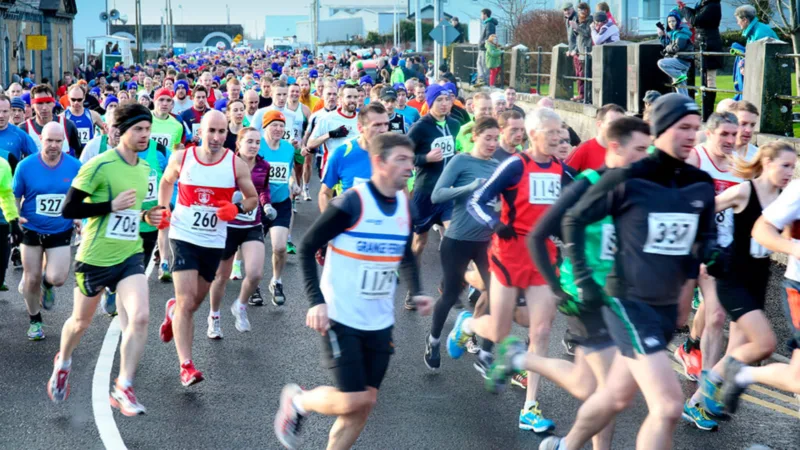
Athletics Ireland’s membership has reached a record 76,507, another indication of the appetite for athletics across the country. Behind that figure are clubs, coaches and volunteers bringing people into the sport every week.
Writing in The Irish Times on November 7th, Ian O’Riordan examined that growth and the pressures it is putting on clubs, particularly those trying to accommodate young athletes. His piece also considered the increasing demand from recreational runners.
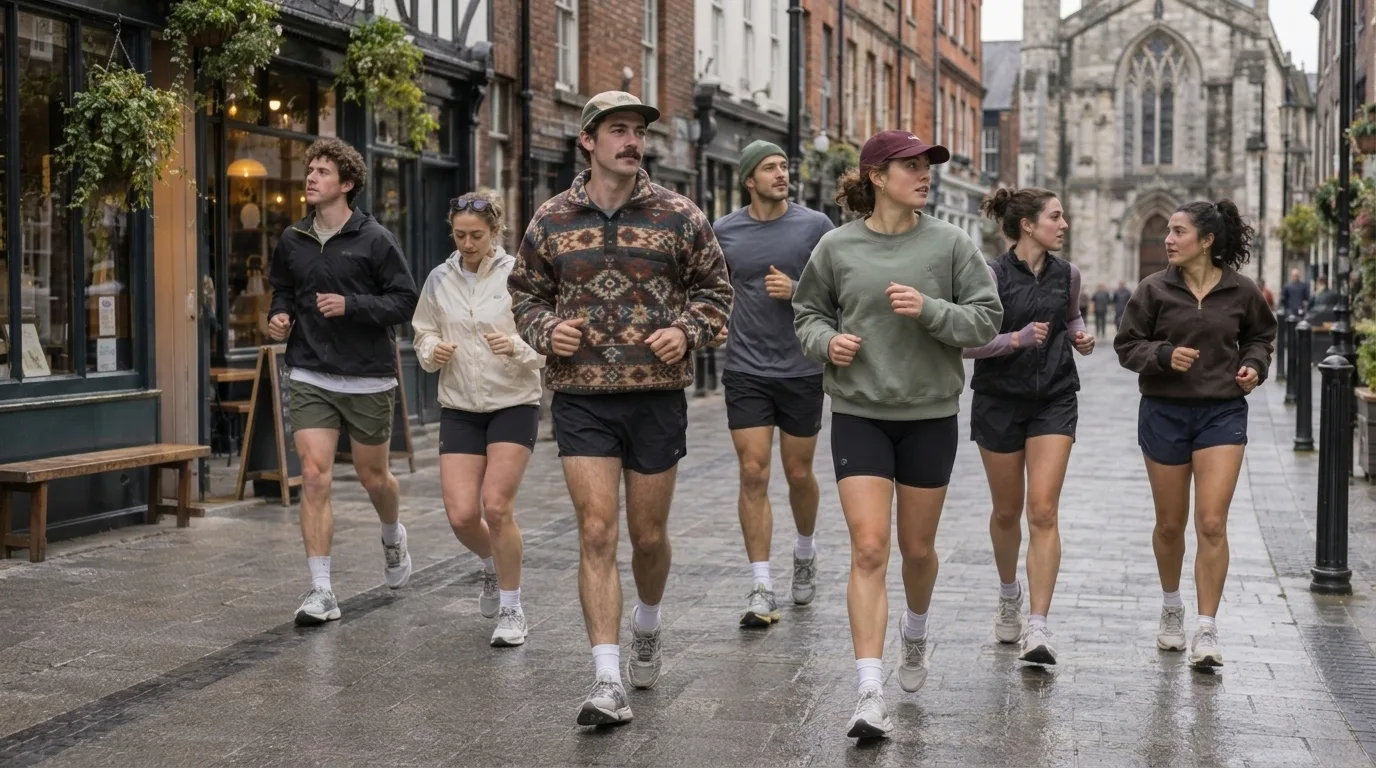
Alongside those membership records, another part of Ireland’s running boom deserves attention. Around coffee shops, parks and group chats, informal running communities are bringing people together who might never previously have considered joining an athletics club.
Their appeal is straightforward. Turn up, run a manageable distance, have a coffee and meet a few people. For a newcomer, that can be enough to make running feel like something they could fit into their life.
A Different Way Into Running
The popularity of these groups among young adults, including Gen Z runners, gives this growth particular significance. Someone can arrive with little running experience, having seen a post on Instagram or accepted an invitation from a friend. A competitive athletics background is optional. Wanting company is reason enough.
Dublin’s Happy Feet offers a striking example of how quickly that invitation can catch on. Reporting in The Irish Times in May 2024 described how 80 people were attending within three weeks of the group’s August 2023 launch. Many of its runners were in their twenties, with people arriving alone and staying to chat afterwards.
The same report described the first Sole Mates outing attracting 105 runners just three days after its founder’s initial Instagram post. These are snapshots from the groups’ early days, but they illustrate how quickly a simple social invitation could find an audience.
For someone new to a city, or watching friends move away, a recurring weekend run provides an easy way to see the same faces again. There is something to do together immediately, and somewhere to continue the conversation afterwards.
From Dublin to Cork and Belfast
Coffee gives these gatherings a familiar starting point. Happy Feet’s published routes include a 5K from Happy Out in Dún Laoghaire and a 10K from Park Lane Deli in Chapelizod. The group also has a sweeper to accompany runners at the back, a practical reassurance for anyone worried about keeping up.
In Cork, the Croissant Run Club offered another version of the idea. Writing in the Irish Examiner in January 2024, local organiser Emily Crowley described short runs followed by coffee and pastries. People who had recently moved to Cork could use the gathering to make friends and pick up local advice, giving the group a role well beyond exercise.
Belfast has its own established social running community. We Run Belfast dates back to 2018, and a collaboration with Nine Squared Coffee and other partners prompted more than 200 signups in three hours, according to the coffee shop. That response gives a sense of the demand a run built around company and a café can generate.
What the Figures Can Tell Us
Athletics Ireland’s membership record measures participation within its affiliated system. Understanding the wider running population also means looking at people whose regular involvement takes the form of an informal weekend meetup.
There will be overlap. A registered club athlete can enjoy a coffee run, while someone who starts with a social group may later seek coaching or enter races. The examples above cannot provide a national participation total, but they do show how running communities can grow around a different kind of invitation.
Irish athletics clubs have long offered friendship, easy runs and a cuppa afterwards. What makes the coffee run movement worth following is its ability to reach people who might have assumed organised running required more experience or ambition than they possessed.
Some will eventually want a faster 5K or a marathon medal. Others will be perfectly happy with a few kilometres and familiar faces each weekend. Both give people a reason to keep coming back, and both belong in the story of Ireland’s running boom.