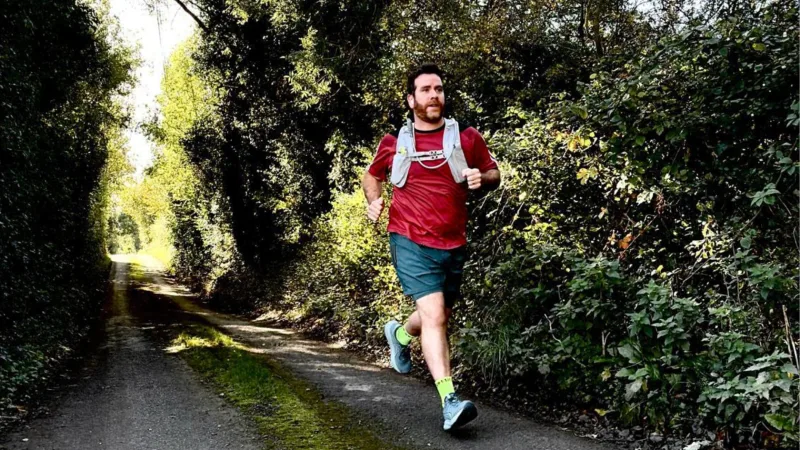
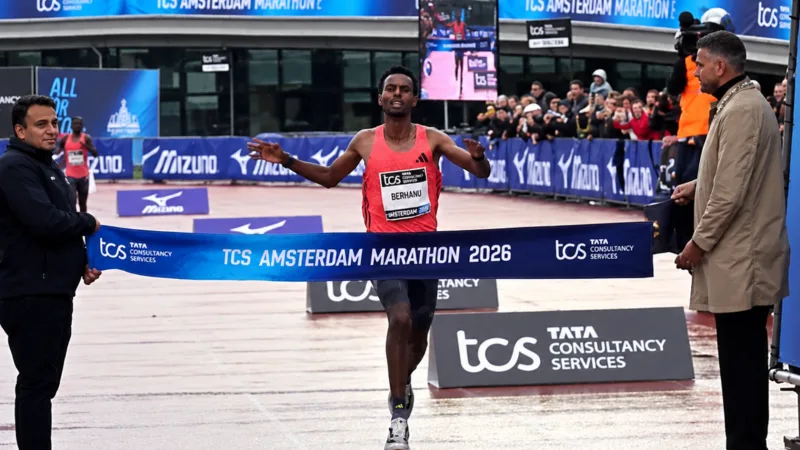
There's an old saying that a marathon doesn't really begin until the final 10 kilometres.
Which is a lovely thought, considering you've already spent the previous three hours running around Dublin like an escaped prisoner.
But there's a certain truth to it. The first 32 kilometres are largely about fitness, pacing and preparation. The final 10 are about discovering just how badly you can suffer before your body files a formal complaint.
And unfortunately, the organisers of the Dublin Marathon have done little to make those closing kilometres particularly pleasant.
With climbs through Clonskeagh, the notorious Heartbreak Hill and a seemingly endless final stretch towards the city centre, Sunday's 2026 Irish Life Dublin Marathon promises to provide plenty of opportunities for runners to question their life choices.
Here's what awaits you once the 32km marker appears.
32km: Welcome to the Part Nobody Enjoys
You've reached 32 kilometres. Or 20 miles, if you prefer to measure your suffering in imperial units.
Either way, congratulations. You've now entered the part of the marathon that separates the well prepared from those who thought a couple of Saturday parkruns would probably do the job.
After the descent along Dartry Road and the incline on Milltown Road, runners head towards Clonskeagh.
At this stage, there's a reasonable chance your legs are beginning to feel like they've been filled with wet cement.
Your watch insists you're running. Your body has a different interpretation.
The crowds are still cheering, which is lovely, although you're beginning to wonder why none of them have offered you a lift.
And just when you'd appreciate a nice, flat road to the finish, Dublin has arranged something rather special.
A three kilometre climb.
How thoughtful.
33km to 35km: Clonskeagh and the Long Road to Regret
Clonskeagh Road and Roebuck Road provide one of the most challenging stretches of the Dublin Marathon.
Not because the gradient is particularly terrifying in isolation, but because it arrives after you've already run more than 30 kilometres.
A hill that would barely register during an ordinary Sunday morning training run suddenly feels like you're attempting to climb Carrauntoohil wearing concrete boots.
Your breathing becomes heavier. Your pace begins to slip. That cheerful runner who overtook you five minutes ago is now walking.
You consider joining them.
But you've got a personal best to chase, and stopping now would mean admitting that the marathon was right and you were wrong.
So you keep going.
Somewhere along this stretch, you'll probably remember the person who encouraged you to enter the Dublin Marathon in the first place.
You haven't spoken to them in months.
It's probably best that you don't.
35km: Heartbreak Hill, Because Apparently We Needed One
Of all the names you could give a hill near the end of a marathon, Heartbreak Hill seems unnecessarily cruel.
You could have called it Hope Hill. Friendship Hill. Almost Finished Hill.
But no. Heartbreak Hill.
At approximately 35km, runners tackle one of the most notorious sections of the Dublin course, around Roebuck Road.
By this stage, your muscles are aching, your energy reserves may be running low, and you're trying to remember what possessed you to spend your Sunday doing this.
The incline might not look particularly intimidating to somebody watching from the pavement.
But that person has probably had breakfast, slept properly and isn't attempting to run 42.195 kilometres.
So their opinion is irrelevant.
The good news is that once you've conquered the climb, the route offers some welcome downhill running along Foster's Avenue.
The bad news is that downhill running after 35 kilometres can introduce you to muscles you didn't realise you owned.
Still, gravity is finally on your side.
It's taken long enough.
37km to 39km: A Brief Visit to RTÉ, Where the Drama Continues
Having negotiated Foster's Avenue, runners continue towards Stillorgan Road, cross the flyover and turn onto Nutley Lane near RTÉ.
Around the 38km mark, you're passing Ireland's national broadcaster.
Which seems appropriate, because your marathon has now developed into a lengthy drama featuring poor decisions, financial consequences and an increasingly desperate main character.
The only difference is that nobody can change the channel.
By now, the finish line is tantalisingly close.
Just over four kilometres remain.
Four kilometres.
On an ordinary day, you could knock that out before breakfast.
Today, it feels like somebody has asked you to run to Cork.
Your brain starts performing increasingly ridiculous calculations.
If you maintain your current pace, you'll finish in four hours and twelve minutes.
If you speed up slightly, you might manage four hours and ten.
If somebody arrives with a bicycle, you could probably break four hours.
Unfortunately, there are rules against that sort of thing.
39km to 41km: Merrion Road and the Most Annoying Words in Running
After Nutley Lane, the route continues along Merrion Road, passing the RDS as runners make their way towards the city centre.
And this is where the spectators really come into their own.
Thousands of people will be cheering, clapping and offering encouragement.
Most of them are wonderful.
Some, however, will commit one of the greatest crimes known to marathon running.
They'll shout, "You're nearly there!"
At 39 kilometres.
With more than three kilometres remaining.
Three kilometres might sound insignificant when you're sitting comfortably on your sofa.
But when you've already been running for several hours, three kilometres represents approximately seventeen years of your remaining life expectancy.
You'll smile politely, because you're a decent person.
Internally, however, you're considering a strongly worded letter to their local TD.
As the course continues towards Northumberland Road, the crowds and atmosphere provide another welcome lift.
You're back among familiar city streets, and the finish is genuinely getting closer.
Not that your legs particularly care.
They resigned several kilometres ago.
41km to 42.195km: The Final Negotiations
The last section takes runners through Northumberland Road, Warrington Place and onto Mount Street Upper, with the finish near the Pepper Canister Church.
And now something remarkable happens.
Despite spending the previous hour contemplating retirement from running, you suddenly find a little extra energy.
Perhaps it's the noise of the crowd.
Perhaps it's the sight of the finish.
Or perhaps your body has realised that the only way to make this nightmare stop is to get there faster.
Whatever the reason, you somehow manage to pick up the pace.
You straighten your shoulders. You lift your head. You prepare for the finishing photograph.
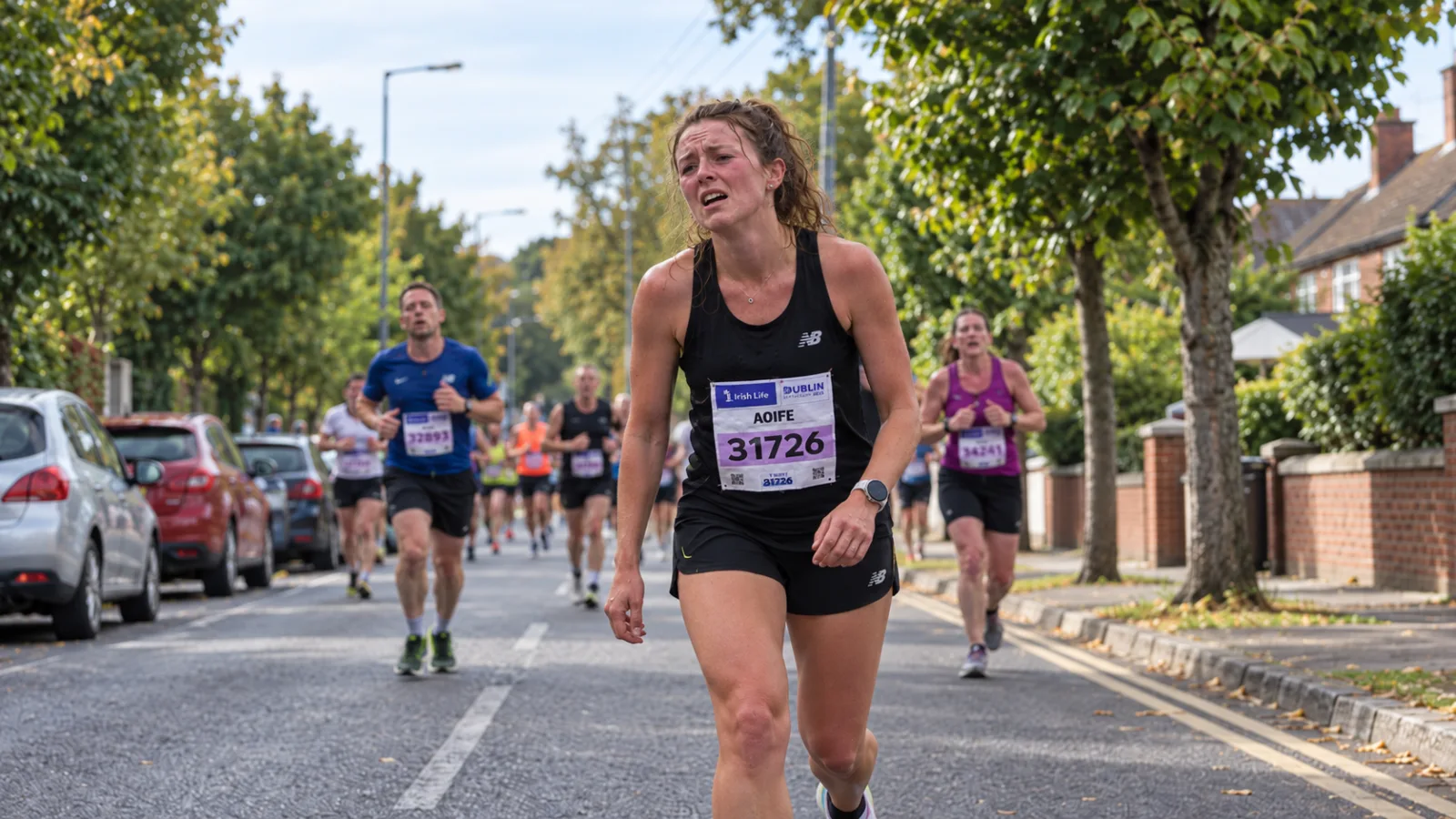
Because while you've spent the last 10 kilometres looking like somebody recovering from a particularly aggressive food poisoning incident, you still want photographic evidence that you're a serious athlete.
You cross the line.
Somebody hands you a medal.
You stop your watch, stagger forward and experience a mixture of relief, pride and the sudden realisation that walking downstairs tomorrow is going to be a deeply unpleasant experience.
You've done it.
42.195 kilometres.
Months of training. Hundreds of kilometres. Countless sacrifices.
All for a medal, a banana and the privilege of paying somebody to photograph you looking close to death.
So, Are You Looking Forward to Sunday?
There you have it. Ten kilometres of hills, aching legs, questionable life choices and spectators insisting you're nearly finished when you've still got half of Dublin to run.
But there's something reassuring about knowing what's coming.
At least when you reach Heartbreak Hill, you'll understand that the organisers haven't accidentally sent you up the wrong road. They really did mean to do that.
And when you finally turn onto Mount Street Upper, with the finish line in sight, all those months of training will hopefully feel worth it.
So enjoy Sunday. Soak up the atmosphere. Trust your training.
And remember, when somebody shouts "You're nearly there!" at 39 kilometres, they're only trying to help.
There's no need to tell them where to go. You'll be passing it soon enough.