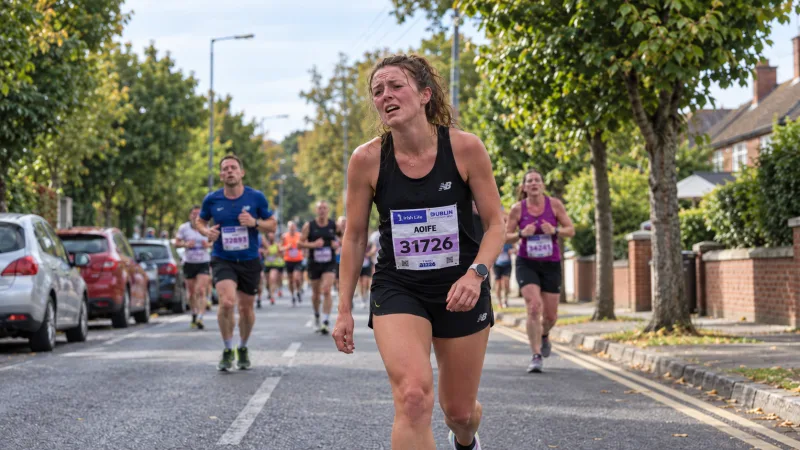
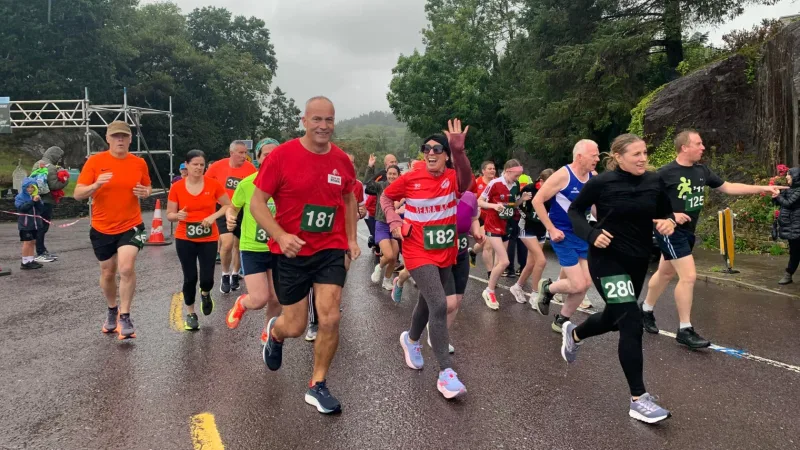
The mileage has gone up. Your breakfast has not.
It is an easy mismatch to miss. A couple of short outings become four runs a week, the Sunday run gets longer, and suddenly there is a club session squeezed between work and dinner. Meanwhile, the shopping list looks much the same.
You can be eating regular meals and choosing nutritious foods, yet still fall short of what your training demands. Underfuelling does not always involve deliberately skipping food. Sometimes, the running has changed and the eating simply has not caught up.
How the Gap Opens Up
Picture an evening session after a busy day. Lunch was rushed, there was no afternoon snack, and by the time you get home and shower, dinner is late. The next morning brings another run before work.
No single part of that routine looks particularly dramatic. Repeated across a training week, though, it can leave too few opportunities to eat enough.
The Australian Institute of Sport identifies increased training, limited time or money for meals, and uncertainty about energy needs as possible causes of low energy availability. It can happen unintentionally, as well as through restrictive eating.
The question is not simply how many meals you eat. It is how well those meals and snacks support the work you are asking your body to do.
Your Body Needs Energy Beyond the Run
Running is only one demand on your food intake. Your body also needs energy for everyday functions, including maintaining bone, supporting immunity and producing hormones.
Low energy availability means that, after exercise, too little dietary energy remains to adequately support those functions. When the shortfall becomes sufficiently severe or prolonged, it can contribute to Relative Energy Deficiency in Sport, known as REDs.
REDs can affect men and women, with consequences for health and performance. An occasional missed snack does not automatically mean you have it, but a continuing mismatch deserves attention. The International Olympic Committee distinguishes between brief, manageable periods of low energy availability and problematic exposure that causes harm.
Signs Worth Paying Attention To
One tired run tells you very little. A pattern across several weeks is more useful.
Perhaps sessions that used to feel manageable keep leaving you drained. Your recovery takes longer, your concentration is poor, or you are waking hungry during the night. Changes in mood, reduced sex drive and recurrent illness or injury can also warrant a closer look.
For women, periods becoming irregular or stopping should not be accepted as a normal reward for training hard. Repeated bone stress injuries also need medical assessment.
None of these signs confirms underfuelling on its own. Iron deficiency, poor sleep, illness and other conditions can produce overlapping symptoms. Persistent changes deserve a conversation with your GP, rather than an assumption that you just need to get fitter.
Give Carbohydrate a Proper Role
A meal can look substantial without providing much carbohydrate. A large salad with chicken may offer protein and vegetables, but depending on what else you eat, it may leave you short of fuel for a demanding session.
The British Dietetic Association advises matching carbohydrate intake to training, with greater amounts generally needed for longer and harder exercise.
Bread, rice, pasta, potatoes and breakfast cereals all offer practical options. Adding a carbohydrate source to lunch, or having a familiar snack before evening training, can help close an obvious gap.
Protein matters for repair, but a protein shake alone does not cover every recovery need. Meals and snacks that provide both carbohydrate and protein are useful, particularly when another session is approaching.
Make Eating Fit the Day
Start by looking at the points where food regularly gets squeezed out.
Before evening training: Have a familiar snack such as toast with jam or a banana if there is a long gap since lunch, allowing time for digestion.
After a morning run: Make room for breakfast. Cereal with milk and fruit, or eggs on toast, are straightforward options.
When dinner is delayed: Yoghurt with cereal, or a sandwich, can help bridge the gap after training.
These are starting points, not a complete meal plan. The amount you need depends on your training, body and circumstances.
Practical preparation can matter as much as knowing what to eat. Keep a snack at work, bring something for the journey home from training, or cook enough dinner for another portion the following day. Food is easier to fit in when it is already there.
Try looking back over a few ordinary days. Where were the long gaps? Which sessions started after a rushed meal? Did the weekend long run receive any more food than a quiet weekday?
That gives you something concrete to discuss with a sports dietitian, without turning every mouthful into a calculation.
When More Help Is Needed
If tiredness persists, performance keeps declining, periods change or injuries recur, seek medical advice. A registered dietitian with sports experience can assess your eating alongside your training and help you make appropriate changes.
Treatment for REDs generally involves increasing energy intake and may also require reducing exercise. Simply adding a snack while continuing an unsustainable training load may not be enough.
If eating more causes anxiety, or missing a session leaves you feeling compelled to restrict food, mention that too. You deserve support with the whole problem.
Training asks your body to do more. Giving it enough food is part of meeting that demand, just as much as finding time for the miles.