It’s that time of year again. Autumn marathons are filling the calendar, Sunday mornings are disappearing into long runs, and your social feeds are filling with route maps, finishing times and people insisting that 30 kilometres was an easy effort.
Somewhere among it all, you will probably have seen the name Strava.
Plenty of runners already use it. Others have heard clubmates talking about uploading a run or giving someone kudos without being entirely sure what any of it means. And if you have managed perfectly well without it until now, you might reasonably wonder what you are missing.
For the first instalment of our Tuesday running app series, we are looking at what Strava offers, where it frustrates users and how much of it the average runner actually needs.
What Does Strava Actually Do?
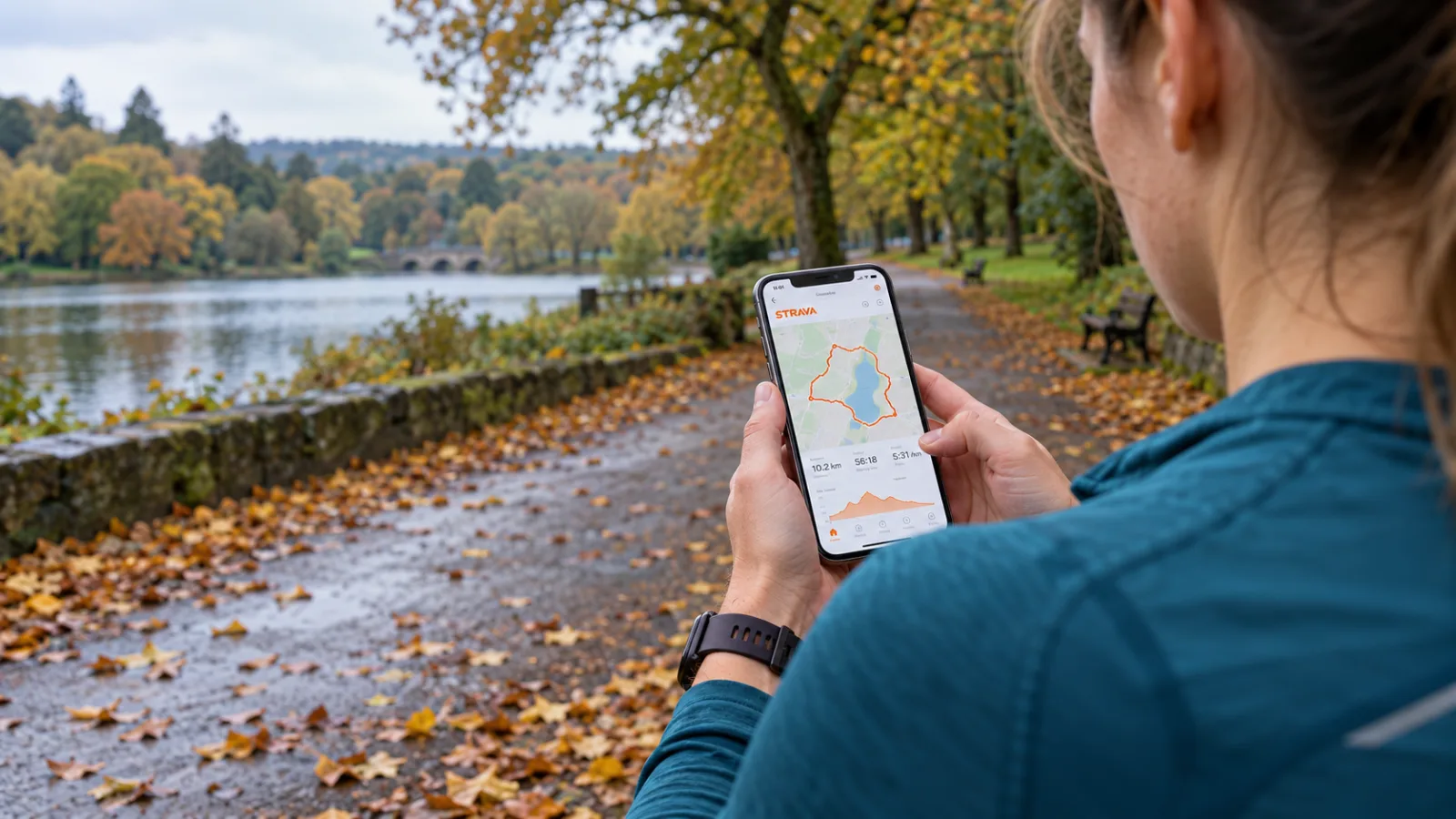
Strava combines an activity tracker with a social network. You can record a run using the GPS on your phone, or connect a compatible watch service and have your activities uploaded after you finish.
That gives you a record of your outing, including details such as distance, time, pace and a route map. You can add photographs and a title, then share the activity with other users.
The social side works through following people, leaving comments and giving “kudos”, Strava’s version of a like. There are also clubs and challenges, giving runners ways to connect beyond their own activity history.
Think of it as a running diary with company. Your wet Tuesday evening 5K can sit alongside a friend’s marathon result, with room to congratulate both.
The Free Version Holds it's Own
You do not need a subscription to record and share your runs. Joining clubs and taking part in challenges are also available for free. Strava
That matters, because a newcomer could easily assume that an app with so many paid features requires a payment before it becomes useful.
For someone who wants a record of their runs, a few photographs from race day and a way to keep up with clubmates, the free version covers the essentials. You can build a habit around it without immediately adding another subscription to your bank statement.
Its appeal is easy to understand. A training diary records what happened. A comment from someone who knows how hard you worked for that result adds something a spreadsheet cannot.
Of course, that depends on having people you want to follow. If your running friends are there, the social element has an obvious purpose. If you have no interest in sharing activities, part of Strava’s attraction may pass you by.
What Does Paying Add?
The subscription adds tools for planning routes, examining training and comparing performances in more detail.
Subscribers can create routes, receive suggested routes and download route maps for offline use. There are also personal heatmaps showing the ground you have covered.
On the training side, features include custom goals, a detailed training log and matched activities, which let you compare outings over familiar routes. Further analysis covers areas such as pace and heart rate, where the necessary data is available.
Then there are segments: stretches of road or trail over which recorded efforts can be compared. A subscription opens up fuller leaderboards and additional ways to analyse those efforts.
The value depends on what you will actually use. Planning runs in unfamiliar surroundings or regularly reviewing sessions gives those extras a purpose. Opening the app to upload a parkrun and congratulate three friends is a different proposition.
Before paying, identify the specific feature you want and check the current price shown for your account. A long list of extras is only useful if some of them become part of your routine.
Where the Frustration Creeps In
A recurring complaint in public user discussions is the frequency of prompts to subscribe. Some runners remain happy with the basic service but describe becoming tired of encountering upgrade messages and locked features.
Those discussions also contain satisfied subscribers. The disagreement is often about value: one runner uses the paid tools regularly, while another sees little reason to spend money beyond the free account.
Published criticism has raised a related point about paying to analyse data generated through your own running. Android Authority writer Ryan Haines, for example, described frustration with the restrictions he encountered after cancelling his subscription.
There is a fair distinction here. Strava charges for tools that organise and interpret activity data, but users can still find those boundaries irritating.
Our view is straightforward: start with the free version. Let an actual need drive the decision to upgrade.
When Encouragement Becomes Comparison
The social feed deserves a little thought too.
Seeing a friend finish their first marathon can be encouraging. Scrolling through everyone else’s longest, fastest or most impressive runs can also leave an ordinary training week looking rather underwhelming.
That is a potential drawback of sharing running publicly, rather than a fault unique to Strava. Someone else’s mileage tells you very little about what you should be doing.
There is no requirement to turn an easy run into something worth posting. Five quiet kilometres still count, even if the only person impressed is you.
Check Who Can See Your Runs
Strava provides activity visibility settings for everyone, followers or only you. Separate map controls allow you to hide part or all of an activity map.
These are worth checking when you set up an account, particularly if your runs regularly begin and end at home. Sharing a finish line photograph and sharing your usual route from the front door are different decisions.
You can enjoy the community without making every detail of your running public.
Our Verdict
For runners who want an activity diary and a connection with friends or clubmates, Strava’s free version is a sensible starting point. The combination gives it a clear purpose beyond collecting numbers.
The subscription makes more sense when you can name the tools you need, particularly for routes and detailed comparisons. Paying simply because you are taking your running more seriously is a weaker reason.
Give the free version a go, see what you use and take it from there. You have enough to think about during marathon season without paying for graphs you never open.