
Blogs
My Hair Transplant & Running I: How Fixing One Thing Stopped Everything Else
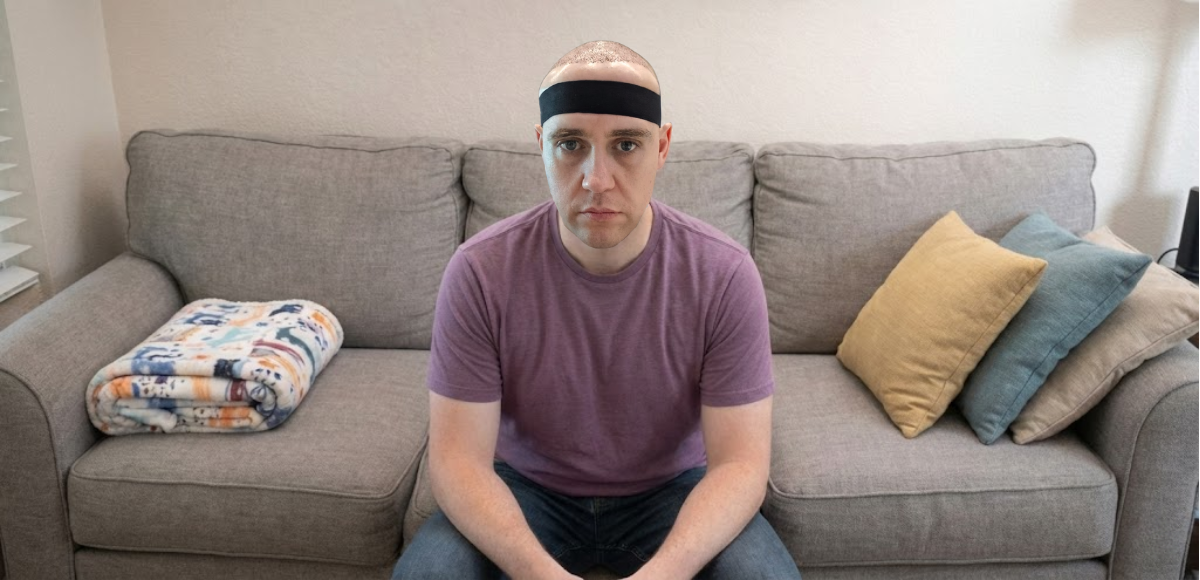
This is Part One of a three-part series charting how a simple plan to fix my hair ended up delaying my running comeback by over a year.
Let me be up front: this series isn’t full of running tips, race recaps, or training plans. It’s mainly for any lads (runners or non-runners) who are thinking about getting a hair transplant and wondering what it’s actually like, not just the surgery itself, but the recovery, the head-melt, the paranoia, and the long drag back to normality. It’s told from a runner’s perspective, because that’s what I am. And the whole reason I booked the procedure was to reset my life, sort out my confidence, and get back into running properly. Instead, it put everything on hold.
Roughly a year and a half ago, I set myself two goals. Get back into running. And sort out my hair.
It wasn't a grand reinvention. I wasn't planning to transform overnight or suddenly become one of those smug morning joggers with six-pack abs and a green juice in hand. I just wanted to get back into a routine. Maybe sign up for a few races again. Lose a bit of weight. Start to feel like myself. None of this glow up craic.
But every time I looked in the mirror, all I saw was the ever-receding hairline. The thinning. The patchiness. It had gone from a minor insecurity to something I couldn't ignore. So I figured: sort the hair first, get that out of the way, and the rest, the running, the routine, the comeback, would follow.
I naively thought this would be a quick procedure. Two weeks off, bit of swelling, maybe wear a hat for a while. Then I'd be out the door again, running shoes on, ready to go. Running sub three marathons with hair like someone out of Home and Away.
Except it wasn't like that at all. Oh god no.
This is the story of how a simple cosmetic procedure stalled my running comeback before it even began.
The Decision
My hairline had been creeping back since my early twenties. Widow’s peak first. Then the corners started thinning. Nothing dramatic, just gradual erosion. It held steady through my twenties. Manageable. Easily concealed.
Then I hit thirty, and for some reason the floodgates opened. Bald patches up front. Thinning all over the shop. The fibres I used to hide it were becoming part of the morning routine, not an emergency fix. I realised that if I didn’t do something soon, I’d be bald by forty. And the mad thing was, this was exactly the time I’d started telling myself I’d make a proper return to running. Drop a bit of weight. As I said, get marathon fit again. So in my head, the hair transplant would be step one. Quick procedure. Bit of recovery. Then back on the roads.
Except it wasn’t.
The Trip to Turkey
I didn’t tell many people. My partner knew. My parents. One or two people in the inner circle. That was it. A mix of embarrassment, privacy, and hoping no one would ask too many questions when my hairline started to look a bit less like a county councillor.
The reality hit when the clinic sent me the hospital address, the diet instructions, the precise time and floor I had to report to. It felt like being called to court. When I was checking into my flight to Istanbul, I remember thinking, *"Jesus, I’m actually going through with this."
Landed in Turkey and went straight to the hotel. In the queue at reception were two men with very thin hair and their wives. You start playing the mental game straight away: "Are they getting one too? They have to be. Sher your man has no hair" Then that evening, I went for a bite at a fast food spot near the hotel. Eight lads in there, all Spanish, all freshly done, bandages on their heads, little red holes all over their scalps. Realisation sets in fast.
This was happening.
The Procedure
That morning I had to get up at the crack of dawn. I had to wear a button-up shirt to the hospital. No pulling anything over the head afterwards. Practical, but it felt oddly ceremonial. Like dressing for your own funeral.
The hospital itself was fine. Clean, modern, mostly cosmetic patients, bandaged noses, balding lads. You’d a sense of it being efficient but industrial. You were a unit to be processed. Called in one by one. Hunger Games-style. Volunteers for tribute.
First, they shave your head. I’d never done that in my life. Suddenly I’m bald in a medical gown, signing forms. Then the anaesthetic part. Oh. Look, people don’t lie, that part hurts. They numb your whole scalp by injecting fluid into it. It’s short, but intense. Once that’s done, you feel nothing. But you hear everything.
They pluck follicles from the back and sides of your head first. You’re lying down for hours. Then you get a rushed lunch because they don’t want the follicles out of your head too long. Back in again. This time they’re inserting them up front. I kept drifting off. They kept waking me: "Please stay still, please stay awake." It’s surreal. Four hours lying there, no movement. You hear the tools, feel nothing, and wonder what exactly you’ve signed up for.
The First Night
They bandage the back of your head. Then they put a thick sweatband around your forehead to keep the fluid from sliding down into your face. Doesn’t work, by the way. The swelling comes anyway. But slower.
I couldn’t sleep in the hotel bed. You’ve to stay perfectly upright, so I used the couch, propping my neck up against the armrest. You can’t roll over. You can’t knock the implants. It was an awful sleep. The paranoia is fierce. One knock and you’re picturing blood and ruined follicles and the whole thing being a waste of time.
Day One: done. Barely.
Two Weeks of Stillness
Back home in Belfast, I had my partner looking after me. You can’t go for walks. You can’t bend over. You’re not even meant to get your heart rate up. You're told to sit on your hole and do nothing. And I did. Bad sleep. Lazy days. A new kind of restlessness.
Every night, she had to wash my scalp. Gently patting, rinsing, no scrubbing. You can’t touch the grafts. They itch. They scab. You get sprays for the itch but it’s still torture. You want to clean them off. You can’t. You wait.
I was barely training before the surgery. But even that little bit of movement I used to do was now banned. Gone. And that does something to your head. You feel useless. Soft. Oddly embarrassed. Like you’ve done this big thing to help your confidence, and now you’re hiding in a room for two weeks afraid of your own pillow.
I’d planned to use this as my springboard. Instead, I was frozen.
The Fade Out
Back in work after about sixteen days. The risk was basically gone. The grafts had all fallen out, that’s normal, they regrow later. But you’re still bald-looking. Still red. Still obviously someone who’s had a transplant. I didn’t know many people in the area where I worked, which helped.
But that energy I had before? The naïve little plan that I’d be back out running again straight away? Gone.
The stillness had set in.
It was meant to be a reset. Instead, it became a stall.
And I wouldn't be running for nearly a year.
Sharlene Mawdsley Returns to Action in Madrid Tomorrow With Sub 50 in Sight

Rachel McCann Ready for Belgium Test This Evening
Rhasidat Adeleke to Headline Irish Interest in Luzern Tomorrow Evening

Running in the Heat: Why Slowing Down Today Can Make You Faster Tomorrow
Ireland Set to Miss Chance to Defend European Mixed Relay Title

How to Watch Cian McPhillips & Nick Griggs in Action in Belgium Today