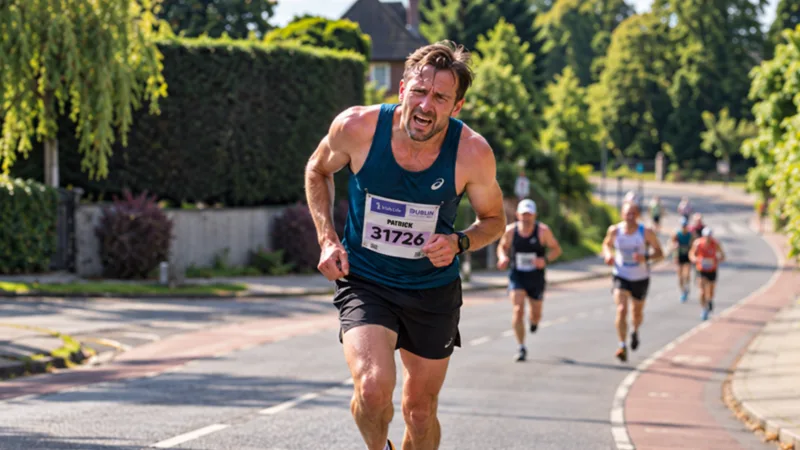
Runners are very good at explaining away tiredness. It was the long run. It was the hills. It was a busy week at work. Sometimes, all of that is true.
But when an easy route keeps feeling unusually hard, your usual pace demands more effort and the tiredness follows you into the rest of the day, it is worth asking a few questions.
Iron deficiency is one possible explanation. It is also something that needs proper assessment. A bad run cannot diagnose it, and a bottle of supplements is a poor substitute for finding out what is wrong.
What Does Iron Actually Do?
Iron helps the body make haemoglobin, the protein in red blood cells that carries oxygen from the lungs to the tissues. It also supports muscle function and the processes that release energy.
That makes it relevant to runners, whose muscles need a steady supply of oxygen during sustained exercise.
There is an important distinction between low iron stores and iron deficiency anaemia. Your reserves can become depleted while haemoglobin remains within the normal range. If the deficiency progresses and haemoglobin falls, iron deficiency anaemia can develop.
The Australian Institute of Sport notes that compromised iron levels can be associated with fatigue, reduced training capacity and poorer responses to training. You do not have to wait until you are completely exhausted before raising a concern.
Who Should Pay Particular Attention?
Endurance athletes, runners with heavy periods and those who are not eating enough to support their training can be more vulnerable.
Vegetarian and vegan runners also need to pay attention to their food choices because the iron in plant foods is generally less readily absorbed. That does not mean a diet without meat is unsuitable for running. It means planning matters.
Men can develop iron deficiency too. Regular blood donation, problems absorbing nutrients and blood loss are among the other factors a clinician may consider. Running should never be assumed to explain the whole picture.
When Tiredness Deserves a Check
An occasional sluggish session is familiar territory. More concerning is a persistent change from what is normal for you, particularly when rest does not seem to resolve it.
Symptoms of iron deficiency anaemia can include ongoing tiredness, a lack of energy, unusual breathlessness, headaches, noticeable heartbeats and skin looking paler than usual.
These symptoms are not exclusive to iron deficiency. Poor sleep, inadequate fuelling, illness and other medical conditions can also affect how you feel. If symptoms persist, book a GP appointment rather than trying to train your way through them.
It helps to explain the change clearly: how long it has been happening, what your training involves and how it affects everyday life. Mention heavy periods, blood donation, dietary changes or previous iron problems if relevant.
Why a Blood Test Matters
Assessment may include a full blood count, which measures haemoglobin, alongside ferritin, a marker used to assess stored iron. Other tests may be needed to help interpret the results.
Ferritin is not simply a running score to compare with someone at the club. Inflammation can raise it, so results need to be considered alongside symptoms and other findings. A normal haemoglobin result alone does not rule out depleted iron stores.
If a deficiency is found, understanding the cause matters as much as correcting the number. Heavy periods, dietary intake or bleeding in the digestive tract may require different approaches.
Put Iron on the Plate
There are useful sources of iron across several food groups. Meat and seafood contain haem iron, which is generally absorbed more readily. Beans, lentils, tofu, nuts, seeds and fortified breakfast cereals provide non haem iron.
You can build these into ordinary meals without turning dinner into a nutrition assignment:
Breakfast: An iron fortified cereal with strawberries or a kiwi on the side. Check the label, as cereals vary.
Lunch: A lentil and tomato soup, or a bean salad with sweet peppers.
Dinner: Lean beef with potatoes and broccoli, or tofu with rice and peppers.
Vitamin C helps the body absorb iron from plant foods, which makes fruit and vegetables useful partners at the same meal.
Tea and coffee can reduce the absorption of non haem iron when consumed with food. If low iron is a concern, having them between meals rather than alongside your main iron sources is a practical adjustment. There is no need to declare war on the kettle.
These habits can support iron intake, but food changes alone may not be enough to correct an established deficiency.
Why Supplements Should Follow a Diagnosis
Iron tablets can be an effective treatment when needed. They can also cause nausea, constipation and abdominal discomfort, while excessive intake can be harmful.
Take them on the advice of a qualified clinician, with a plan for the dose, duration and follow up. If a prescribed supplement upsets your stomach, ask your GP or pharmacist about the options rather than changing the dose yourself.
Rebuilding iron stores takes time. Treatment often continues for months, with repeat blood tests to check progress. Feeling better does not automatically mean your stores are fully replenished.
For runners, the useful habit is to notice when ordinary training tiredness has become something persistent. Keep eating enough, include varied iron sources and get unexplained symptoms checked. Another hard session will not tell you what a blood test can.