
Blogs
Running Ruins Your Knees? The Science Says Otherwise
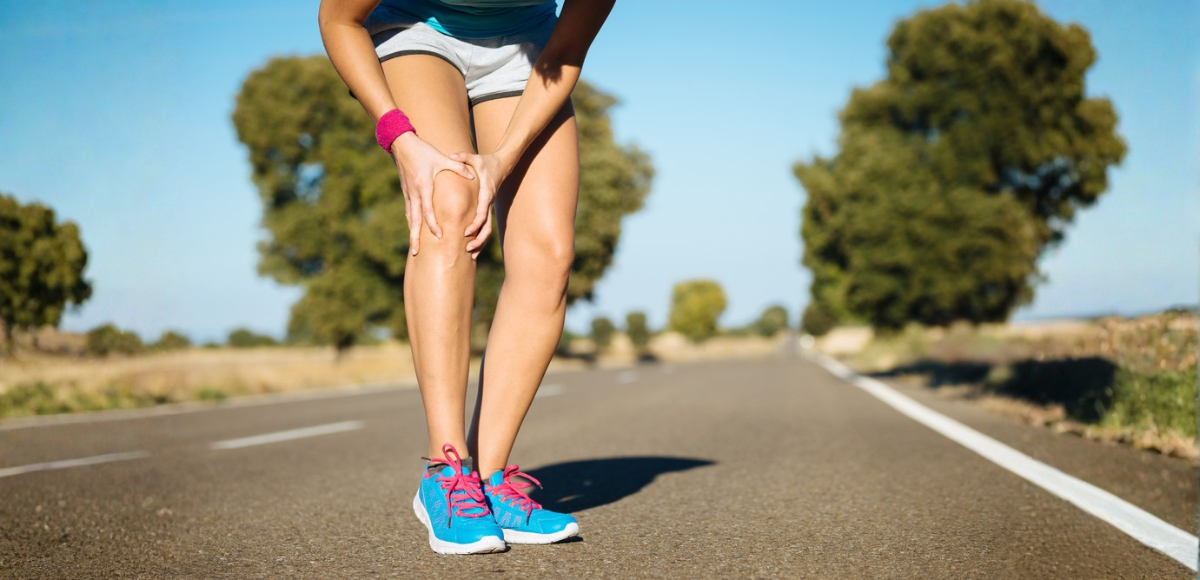
Running often gets an unfair reputation as a fast track to knee damage, with frequent warnings that it will "ruin your knees" or lead to arthritis. But is this belief based on fact, or is it simply a myth? In this installment of our Mythbuster series, we examine the evidence and insights from experts, exploring knee health and injury prevention to address the misconception that running is inherently bad for your knees.
The Myth of “Running Destroys Your Knees”
The myth assumes that the high-impact nature of running wears down the knee joint, causing cartilage damage and leading to knee osteoarthritis. This belief is reinforced by anecdotes of knee soreness among runners, which is often mistakenly taken as a sign of inevitable damage. However, this perspective overlooks the body’s natural adaptability and the role of biomechanics in joint health.
Why the Myth Persists
- Visible Impact: Running involves visible impact forces, which some assume will damage the knee over time. This assumption, however, ignores the body’s remarkable ability to adapt and manage these forces.
- Anecdotal Experiences: Many runners, especially beginners, report knee discomfort, which is easy to misinterpret as damage. However, this discomfort is often due to muscle imbalances or a lack of strength training, not actual joint damage.
- Overuse and Training Errors: Knee injuries in runners are commonly linked to training errors, such as increasing mileage too quickly, rather than running itself.
In fact, scientific research shows that running isn’t inherently bad for the knees. With the right approach, it can actually support and strengthen knee health.
Understanding Runner’s Knee and Knee Biomechanics
One common knee-related issue is runner’s knee, or patellofemoral pain syndrome, which can be a risk for those who increase mileage without adequate conditioning. Runner’s knee often stems from weaknesses in the hip flexors and glutes, which cause the knees to tilt inward as the foot strikes the ground. This inward tilt directs impact toward the knee’s outer edge, adding rotational stress on the knee joint.
Strengthening the hip flexors, glutes, and core helps maintain alignment, reducing knee tilt and evenly distributing impact. Supportive footwear or orthotics can also improve gait and knee alignment.
Study 1: Running and Per-Unit-Distance Load on the Knee
In Why Don’t Most Runners Get Knee Osteoarthritis? A Case for Per-Unit-Distance Loads by Ross H. Miller and colleagues (2020), researchers examined the impact of running on knee joint loads compared to walking.
Key Findings:
- Peak Knee Loads: Running does apply greater peak forces to the knee than walking. However, when measured over distance (per-unit-distance load), the stress on the knee joint was similar between running and walking.
- Reduced Joint Stress Over Distance: Running’s shorter ground contact times and longer strides help balance the load, making the cumulative impact on the knee joint more manageable than previously assumed.
This study suggests that knee health should be considered in terms of cumulative load over time, rather than peak load alone.
Study 2: Exercise as a Protector Against Knee Osteoarthritis
The study Benefits and Mechanisms of Exercise Training for Knee Osteoarthritis by Chu-Yang Zeng et al. (2021) highlights the protective effects of exercise, including running, for joint health and knee osteoarthritis prevention.
Key Findings:
- Exercise Benefits: Aerobic, strength, and proprioceptive exercises reduce pain, stiffness, and the risk of cartilage degeneration.
- Cartilage and Bone Health: Movement stimulates the knee joint, maintaining cartilage health. Strength training in the glutes, quads, and hip flexors stabilizes the knee, reducing strain.
This study challenges the idea that exercise harms the knee. In fact, controlled exercise can delay degenerative changes in the joint by strengthening the muscles around the knee.
Study 3: The Body’s Natural Adaptation to Running Stress
The study Medial Knee Cartilage is Unlikely to Withstand a Lifetime of Running Without Positive Adaptation by Ross H. Miller and Rebecca L. Krupenevich (2020) looked at how knee cartilage adapts to regular running.
Key Findings:
- Adaptation Over Time: Using biomechanical modeling, researchers predicted that the forces from running stimulate cartilage to thicken and become more resilient.
- Cartilage Conditioning Hypothesis: Regular running may strengthen cartilage, enhancing its ability to handle high loads.
This study highlights the importance of gradual training, as knee injuries often arise from doing “too much too soon” rather than from running itself.
Practical Strategies to Protect Knee Health
Understanding that running isn’t the main culprit behind knee issues, runners can adopt proactive strategies to protect their knees:
- Gradual Progression: Avoid rapid mileage increases. Start from your current level to allow muscles and joints time to adapt.
- Strength Training: Exercises targeting the glutes, hip flexors, and core can improve knee alignment and reduce rotational stress.
- Orthotics and Proper Footwear: Corrective orthotics or supportive running shoes help distribute impact evenly across the knee joint.
- Balanced Training: Cross-training activities, such as cycling or swimming, maintain cardiovascular fitness while giving knees a break from impact forces.
- Rest and Recovery: Overuse injuries often stem from inadequate recovery. Incorporate rest days to support long-term knee health.
Running Can Strengthen, Not Harm, Your Knees
The myth that running will ruin your knees is based on perception rather than fact. Studies and expert insights reveal that while running does stress the knees, it can also stimulate adaptations that strengthen them over time. Regular, balanced exercise. including runnin, can protect against knee osteoarthritis.
With gradual mileage progression, strength work, and attention to biomechanics, runners can safeguard knee health and enjoy running’s benefits without pain. Building the muscles around the knee and balancing training are key to reducing injury risk, allowing runners to stay active for the long haul.
Next time you hear someone say that running will ruin your knees, remember: with the right approach, running can be just as beneficial for knee health as any other form of exercise.

Still the Next Generation: Seán Doggett on Lane Eight, Birmingham, and Finding His Potential

Full List: Ireland's Final Team for Next Month's European Athletics Championships Confirmed

Races You Can Enter Across Ireland This Weekend Ending August 3rd

WATCH: All Seven Events That Won Kate O’Connor Commonwealth Gold

Kate O'Connor Wins Commonwealth Games Heptathlon Gold After Dominant Two Day Display

"If You're Going to Beat Me, You Have to Come With Me": Cillian Kirwan on Running From the Front