
Blogs
Lessons From New York: Why the Dublin Marathon's Ballot Fee Faces Growing Scrutiny
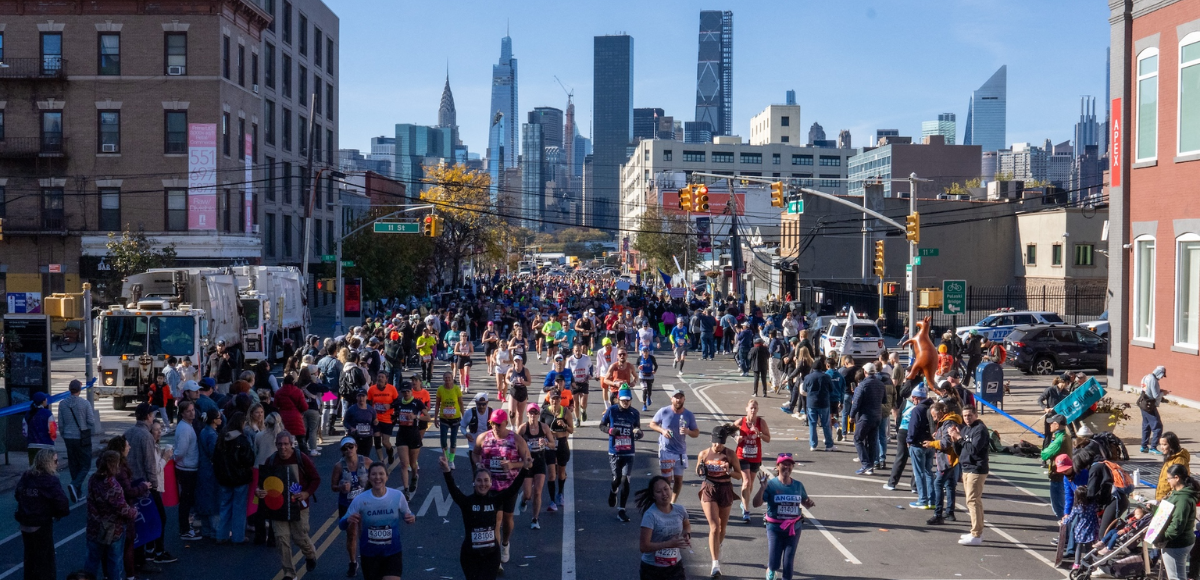
Last week brought the results of the Dublin Marathon ballot. Rejection emails arrived on Tuesday and acceptance emails followed on Wednesday. It was a rough forty eight hours. The way it was handled left many people seething and it has not settled since.
The sting was not only the disappointment of missing out. It was the sense of paying for the privilege to be told no. Five euro is not a life changing amount but runners have always been sensitive to fairness. Any sense of a cash grab lingers. You could feel it in the club group chats and on Irish running social pages. People felt talked down to. The ball of excitement that builds around Dublin each year was replaced with suspicion and irritation that has not gone away.
Dublin Marathon organisers said the fee “covered the administrative and system costs associated with running a large-scale ballot.” Yet with roughly 47,000 people entering, that adds up to €235,000 collected before a single runner received a bib. Even allowing for legitimate costs, many runners found it hard to reconcile this scale with the explanation, especially when compared to other major marathons worldwide that operate lotteries without charging a cent upfront. The principle, rather than the price, felt out of step with expectations of fairness.
The Dublin Marathon is now the only ballot in the world outside of Tokyo that charges a non refundable fee. Runners cannot understand why this exists here at all. Especially when global giants with far greater demand like London, Chicago, Boston and Sydney ask for nothing upfront for a lottery entry. It is hard for many to see this fee as anything other than a cash cow for the organisers. Some estimate that with nearly fifty thousand applications, that five euro could bring in well over two hundred thousand euro for simply being considered.
It is the emotional tone that stands out most. Runners felt mucked about. You paid your €5. You waited. Then you got the news that you were rejected, and the organisers kept the money. Not even a token refund credit or discount on next year. A simple thank you for your interest and good luck next time left more salt than sympathy.
It might feel like a small amount, a coffee or half a pint, yet in principle it hits hard. Irish runners have always backed events here at home. They travel, they volunteer, they support charity partners, they buy merch, they bring family and friends to the streets on the day. It is the sense that loyalty is being squeezed that leaves the sour taste.
When New York Tried the Same and it Backfired Spectacularly
In the years between 2010 and 2015, the organisers of the New York City Marathon, New York Road Runners (NYRR), charged hopeful entrants a non refundable fee of US $11 to enter the “drawing” (the race ballot). That fee applied even if the runner was not selected.
In January 2016 two runners, unsuccessful in the drawing, launched a class action lawsuit against NYRR. Their claim was that the drawing was effectively a lottery requiring a payment and therefore in violation of New York State laws that reserve chance based lotteries to the state itself.
By September 2016, NYRR settled the lawsuit. As part of the settlement they agreed to issue (small) race-credits to all unsuccessful applicants who had paid the fee in that period, credits ranged roughly between US $1.25 and $11. Importantly, they also committed to run the lottery without charging a fee for at least three years unless they obtained a state lottery licence (itself costing around US $3.1 million).
In other words: the ballot fee experiment was abandoned under pressure. What began as a relatively modest “processing fee” ended with legal challenge, public outcry, refunds (via credits) and an enforced retreat from charging for lottery entry. Many in the global running community saw that as a win, a precedent confirming that non refundable ballot charges are not an unavoidable cost of high-demand marathons.
For runners worldwide the NYRR outcome sent a strong message: when enough apply, when enough complain, and when laws don’t support pay to enter lotteries, organisers can be forced to reverse course.
Why Irish Runners Feel the Dublin Ballot Is Unfair
The New York story lands heavily when viewed from here. Dublin is now in a position that looks isolated and fairly awkward. It stands alone in charging a non refundable ballot fee while some of the biggest and most professionally run marathons on the planet operate without one. The contrast is difficult to ignore.
It is the principle more than the price. Five euro is not going to break anyone. It is the feeling that runners are being charged for a chance rather than an entry. People feel treated like an income stream and not as the beating heart of the event. They spend enough already on shoes, travel, training gear, physio, race day logistics and all the rest. Paying simply to enter a lottery feels like a step too far.
For a race that brands itself as the friendly marathon in a city that prides itself on community spirit, this has cut deep. Irish runners want to feel respected. They want clarity. They want to know why they are paying for something that the global standard says should cost nothing.
There is also the question of scale. If there were fifty thousand ballot entries this year, that is more than two hundred thousand euro raised before a single bib was printed. That is a serious amount of money for a process that ends with tens of thousands of rejection emails.
New York shows what can happen when enough people refuse to stay quiet. Ordinary runners pushed back and the organisers were forced to act. They refunded and removed the charge. They listened. They accepted that fairness matters more than a minor revenue stream.
Many Irish runners are now asking why Dublin cannot do the same. There is a growing feeling that the race needs to read the room. People want transparency. They want a simple accounting and an honest explanation. If the fee is necessary, say why. If it is not, remove it and rebuild trust.
The loyalty of Irish runners has always been the source of strength for events here. They train through dark mornings and rotten weather. They volunteer at water stations. They support charity partners. They bring families and crowds that make this city roar every October. That loyalty deserves a return.
Right now it feels like the organisers have misjudged the mood. The hope is that they do not wait for the pressure to boil over before listening.

The Best Supermarket Snacks To Improve Your Runs
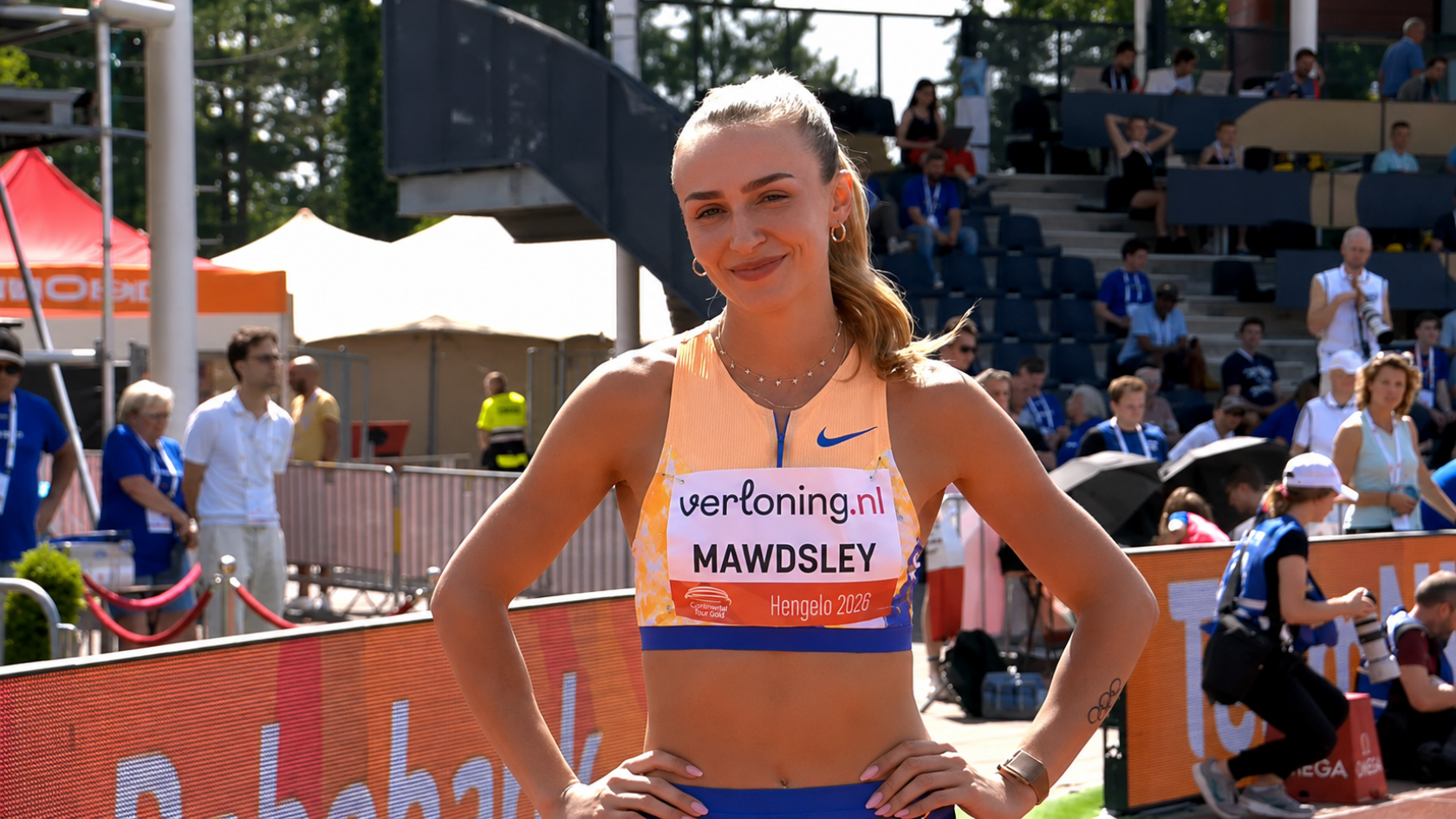
Sharlene Mawdsley Set for Diamond League Debut in Paris Next Sunday Evening

Eimear Maher Returns To Action In Copenhagen This Evening
The Brutal Truth About Your Finish Line Photo
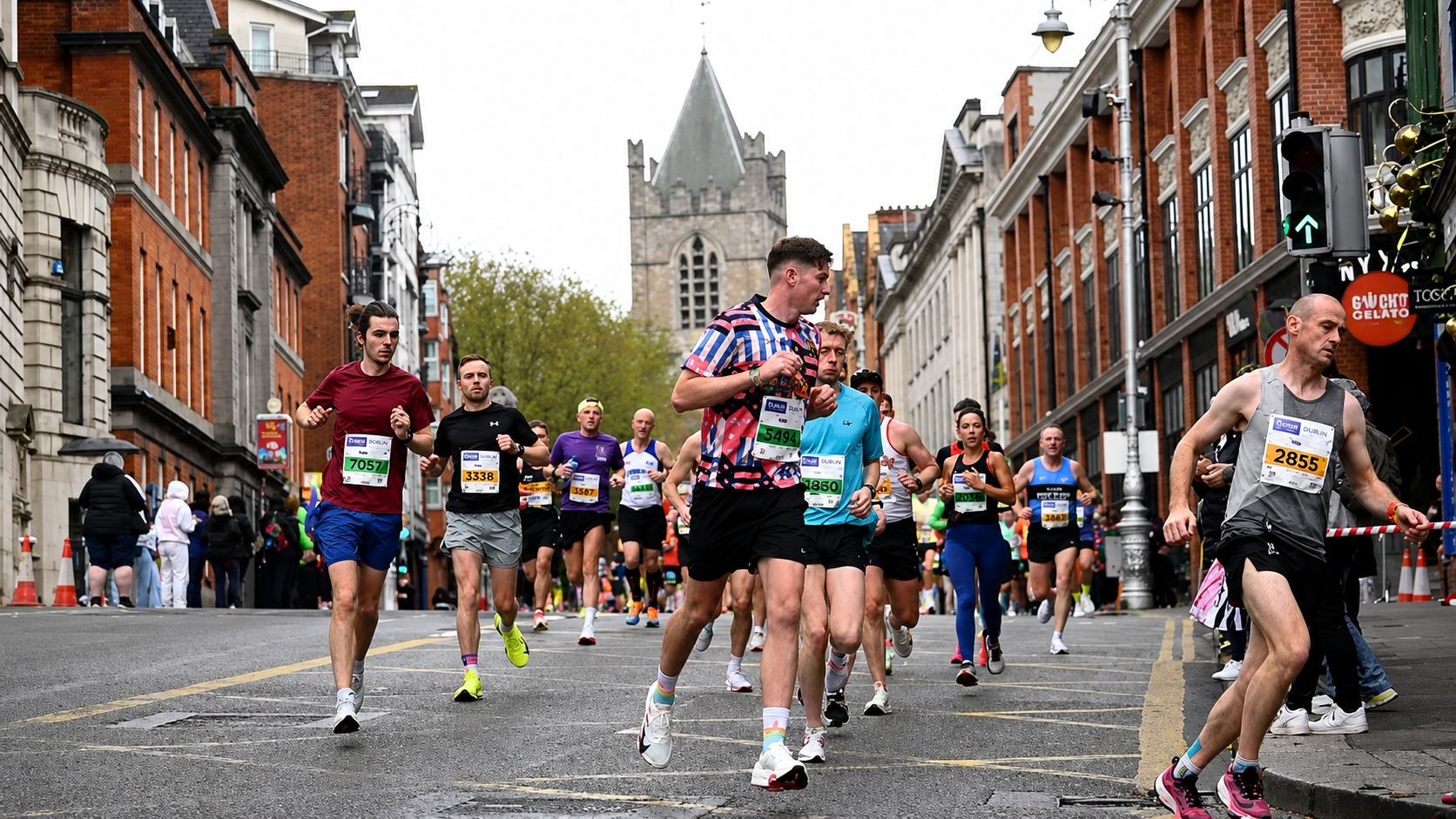
Dublin Marathon's €149,000 Unsuccessful Ballot Windfall Comes Under Scrutiny

How to Watch Irish Athletes In Action At The FBK Games This Afternoon